
Kiri trees
The world's fastest-growing hardwood — created by nature for sustainable forestry and investment in high-value timber.
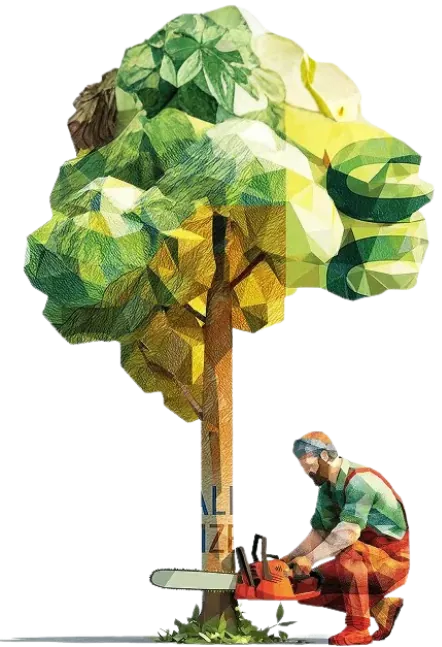
The biological powerhouse of modern forestry
The Paulownia tree, known as Kiri in Japan and Central Europe, is a deciduous species native to Asia and one of the most economically efficient trees in the world. Its secret lies in a rare biological trait: C4 photosynthesis. This lets the tree convert sunlight, heat and CO2 into biomass many times faster than conventional European hardwoods such as oak or beech, which need 60 to 80 years to reach harvest maturity. Paulownia reaches full commercial yield capacity in just 7 to 10 years. That is not only a biological record — it also matches the time horizon of a classic fund. The result is a compounding return structure with no replanting costs, plus a high-value timber product that generates income alongside independently verified CO2 certificates.
Environmental responsibility: why our trees are completely safe
The Paulownia's extraordinary growth raises a legitimate question: can such a resilient tree be kept under control at all? The answer depends entirely on which variety is planted. The wild form (Paulownia tomentosa) spreads via wind-borne seeds and is rightly considered invasive in many regions. FutureTree does not plant this variety under any circumstances. Instead, we work exclusively with lab-bred sterile hybrids whose seeds have no germination capability, which means they cannot reproduce in the wild. Our plantations are operated with official authorisation from the Swiss Federal Office for the Environment (BAFU), and we actively enrich plantation ecosystems through targeted undergrowth planting — promoting local biodiversity rather than suppressing it.
From seedling to harvest: how your investment grows
Bred with precision
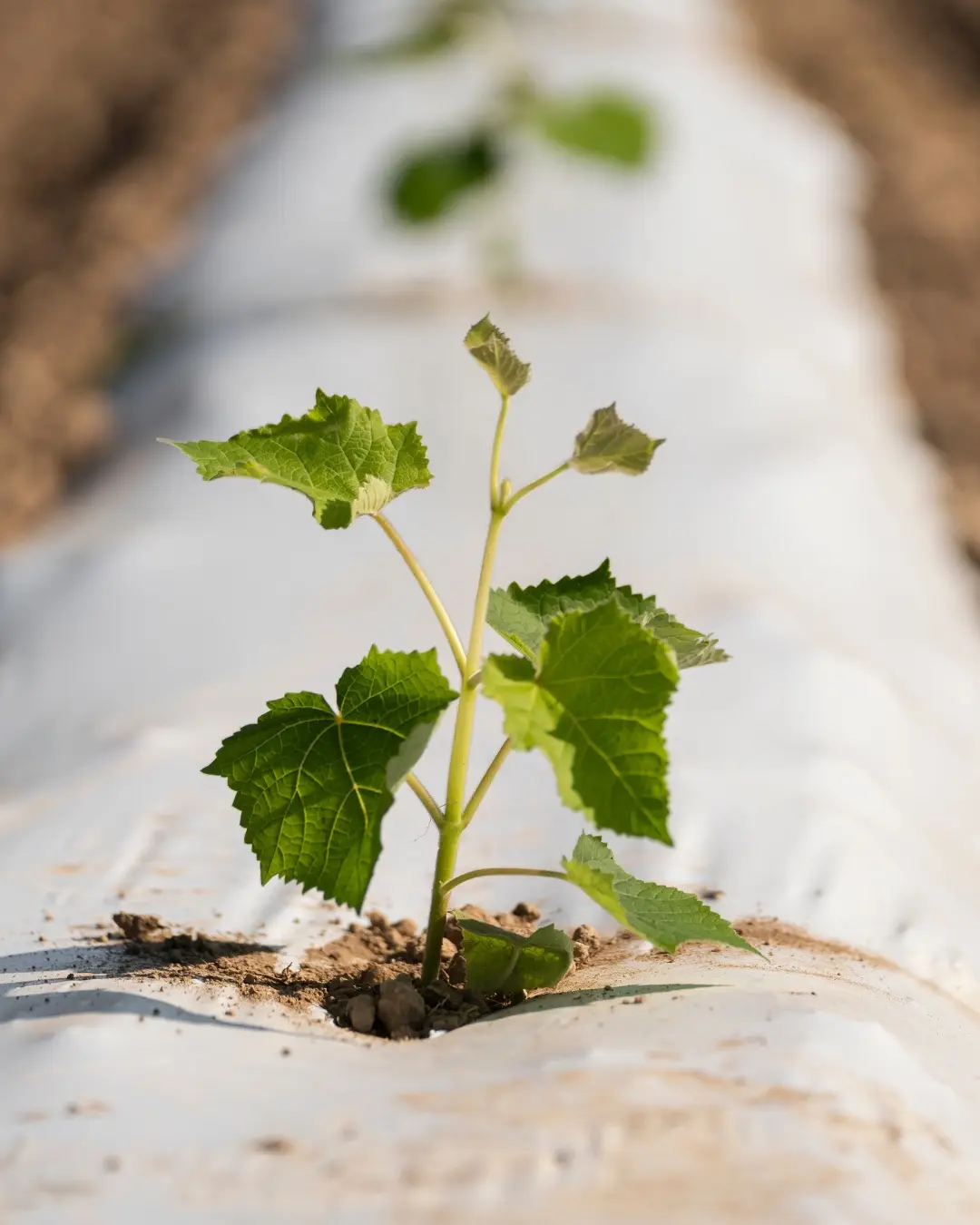
Our trees' journey begins in the laboratory. Our seedlings are bred sterile under controlled conditions. That means no risk of invasive species and 100% predictable genetics. The controlled origin ensures consistent growth as well as reliable CO2 absorption and yields.
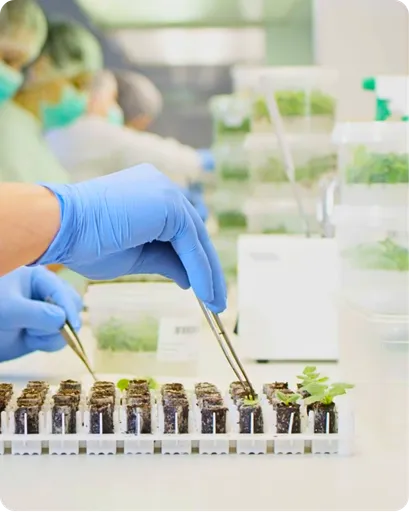
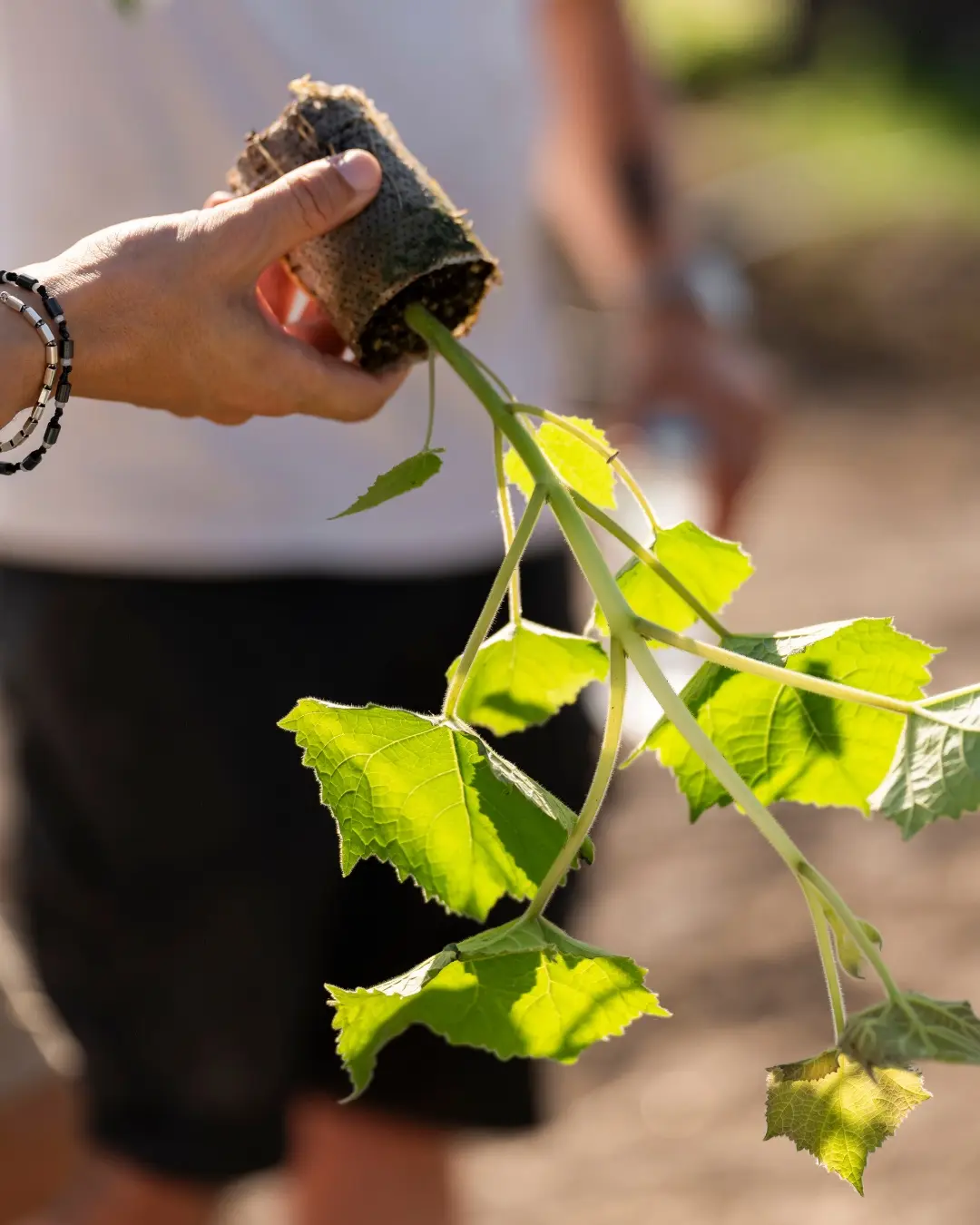
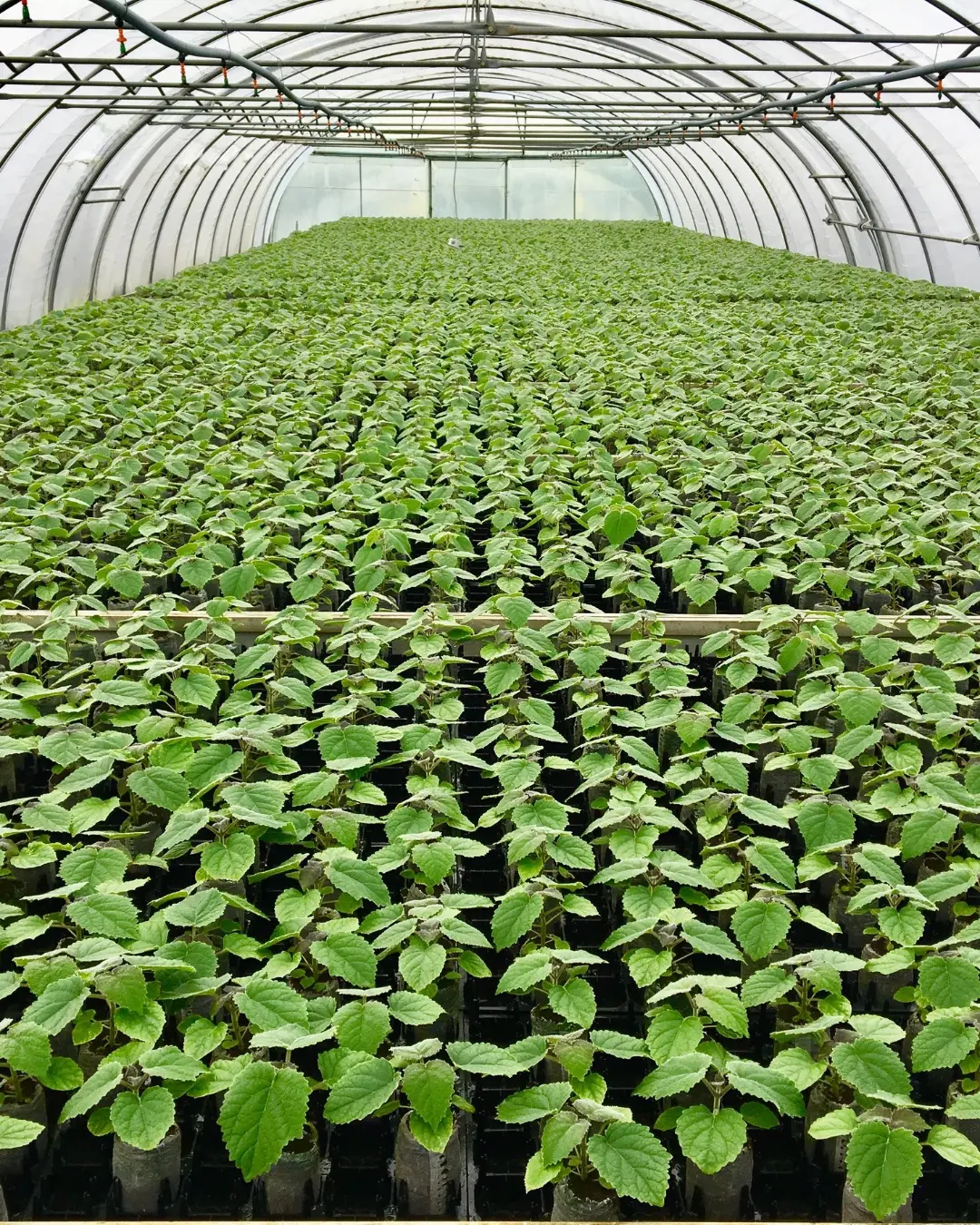
From greenhouse to plantation
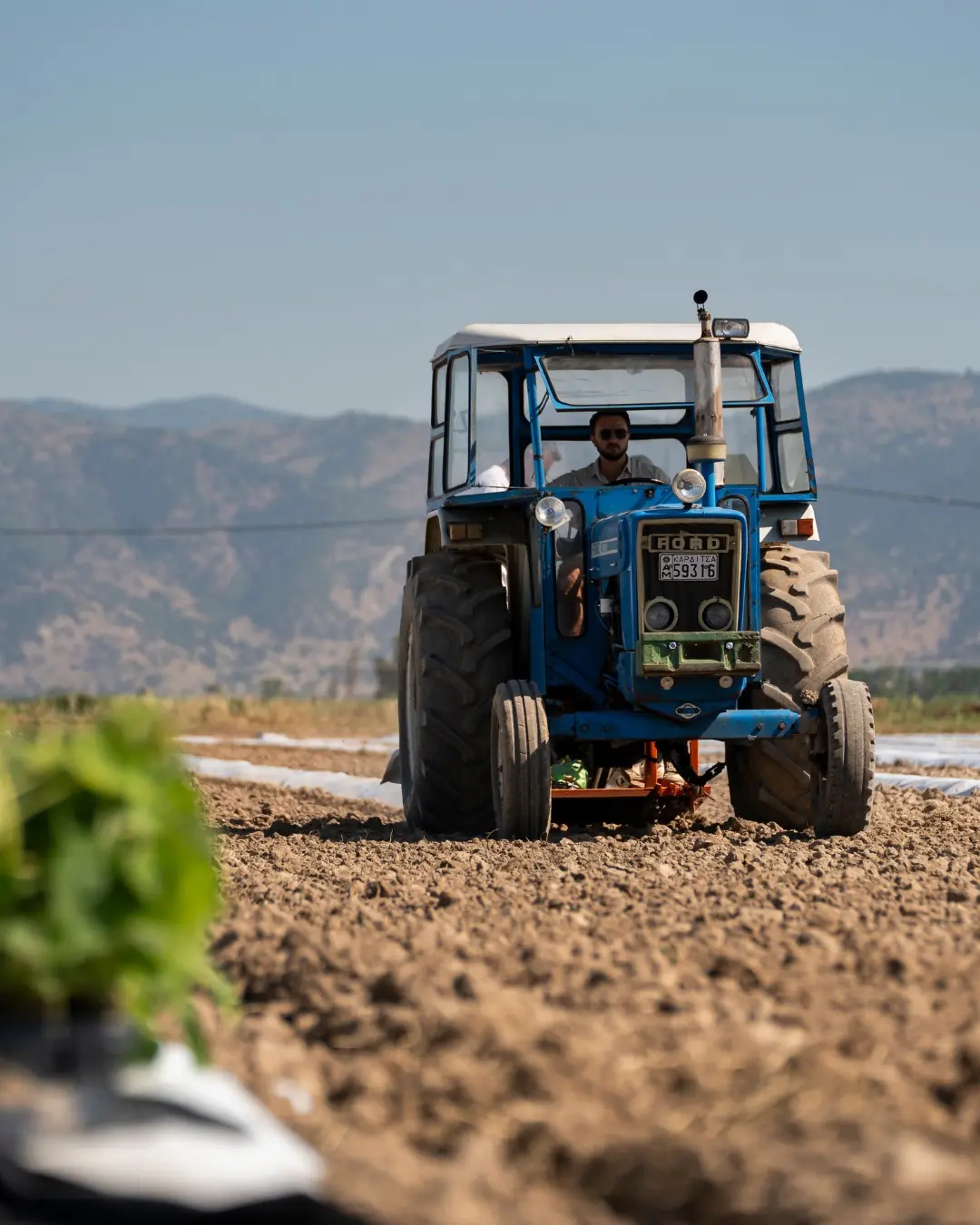
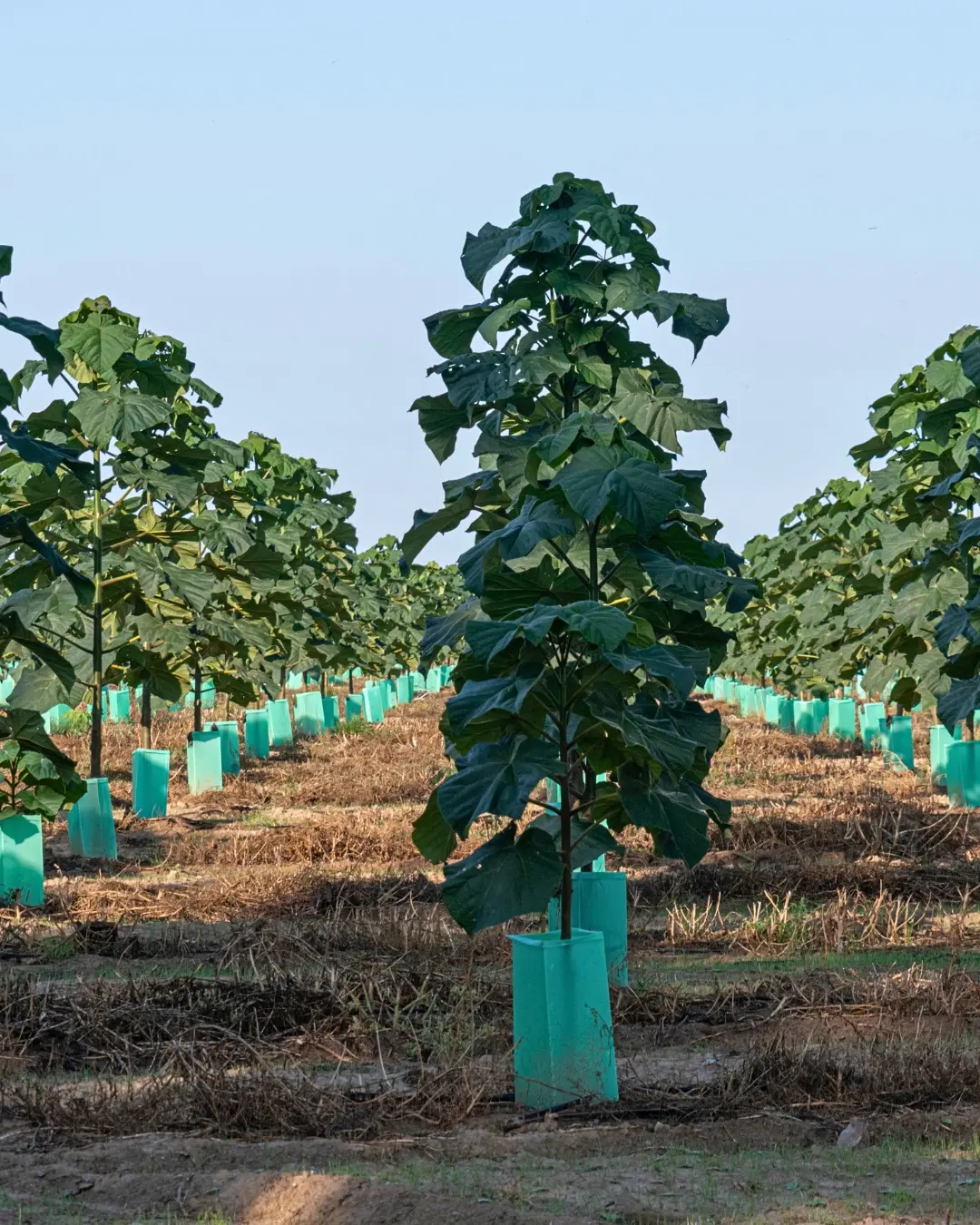
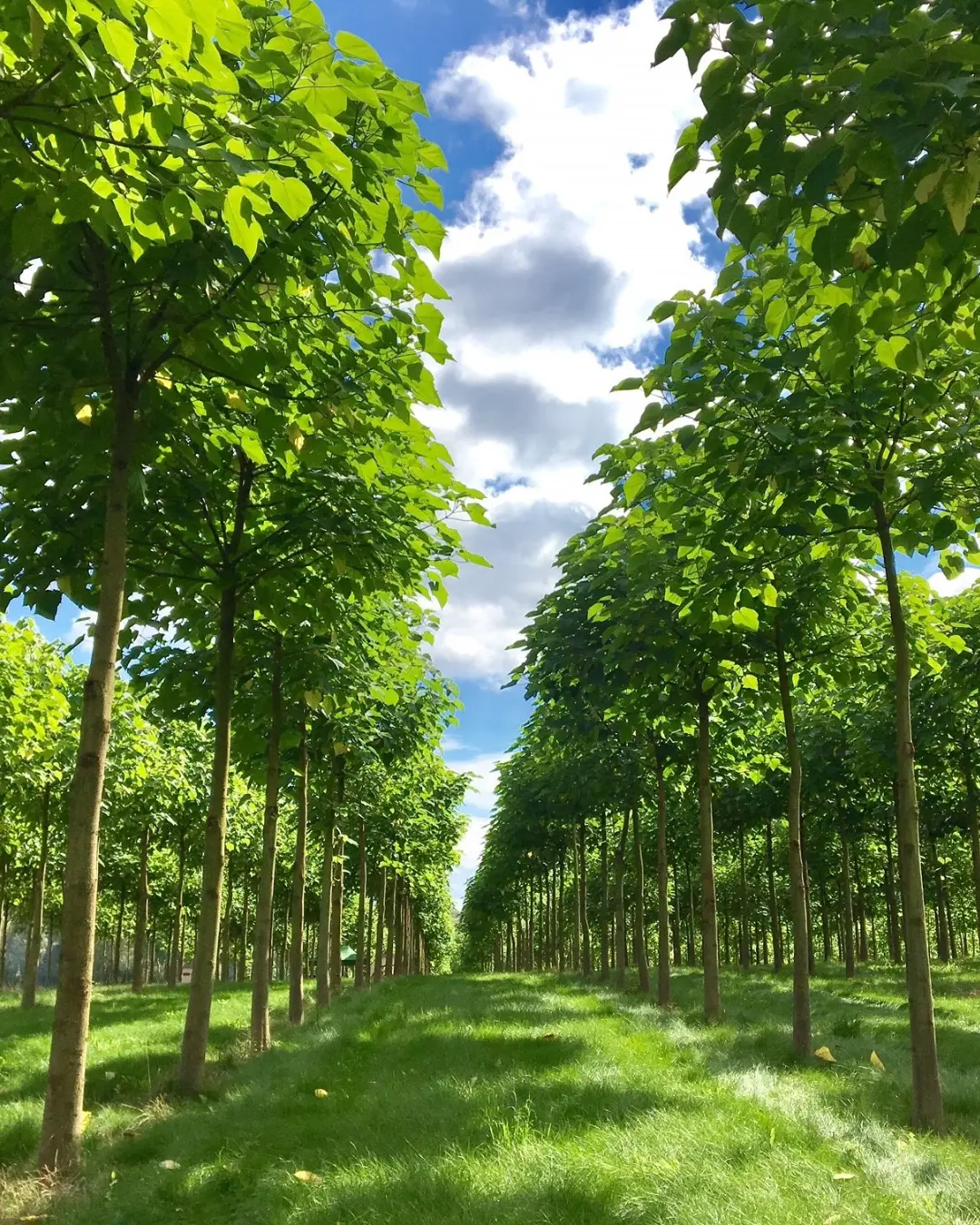
After being raised in the greenhouse, the seedlings are planted in the ground. Precise planting and irrigation, along with expert care during the first growth period, lay the foundation. Within a few months the trees bind CO2 and build biomass — the basis for your timber yield and CO2 certificates.
Year 7 – harvest maturity
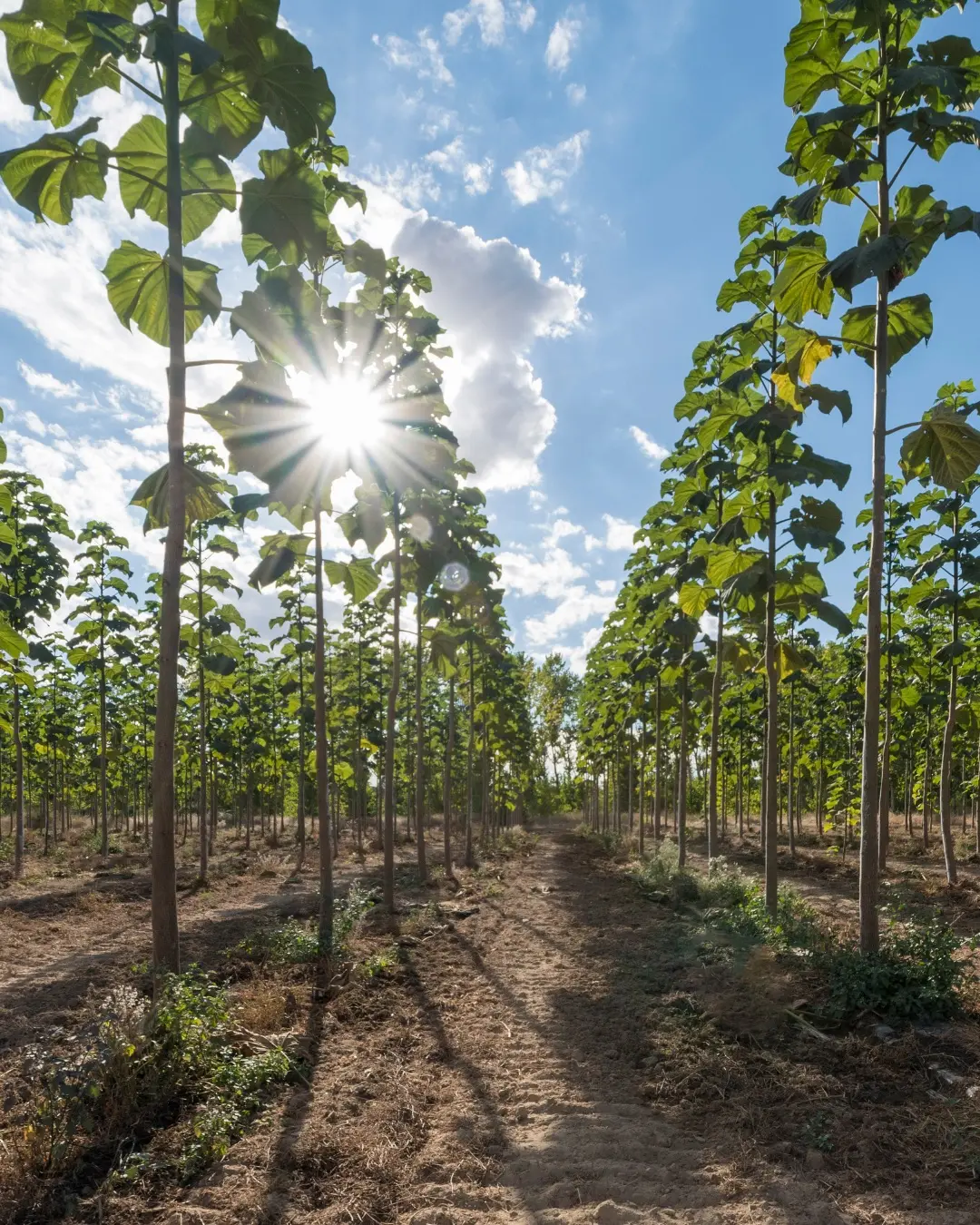
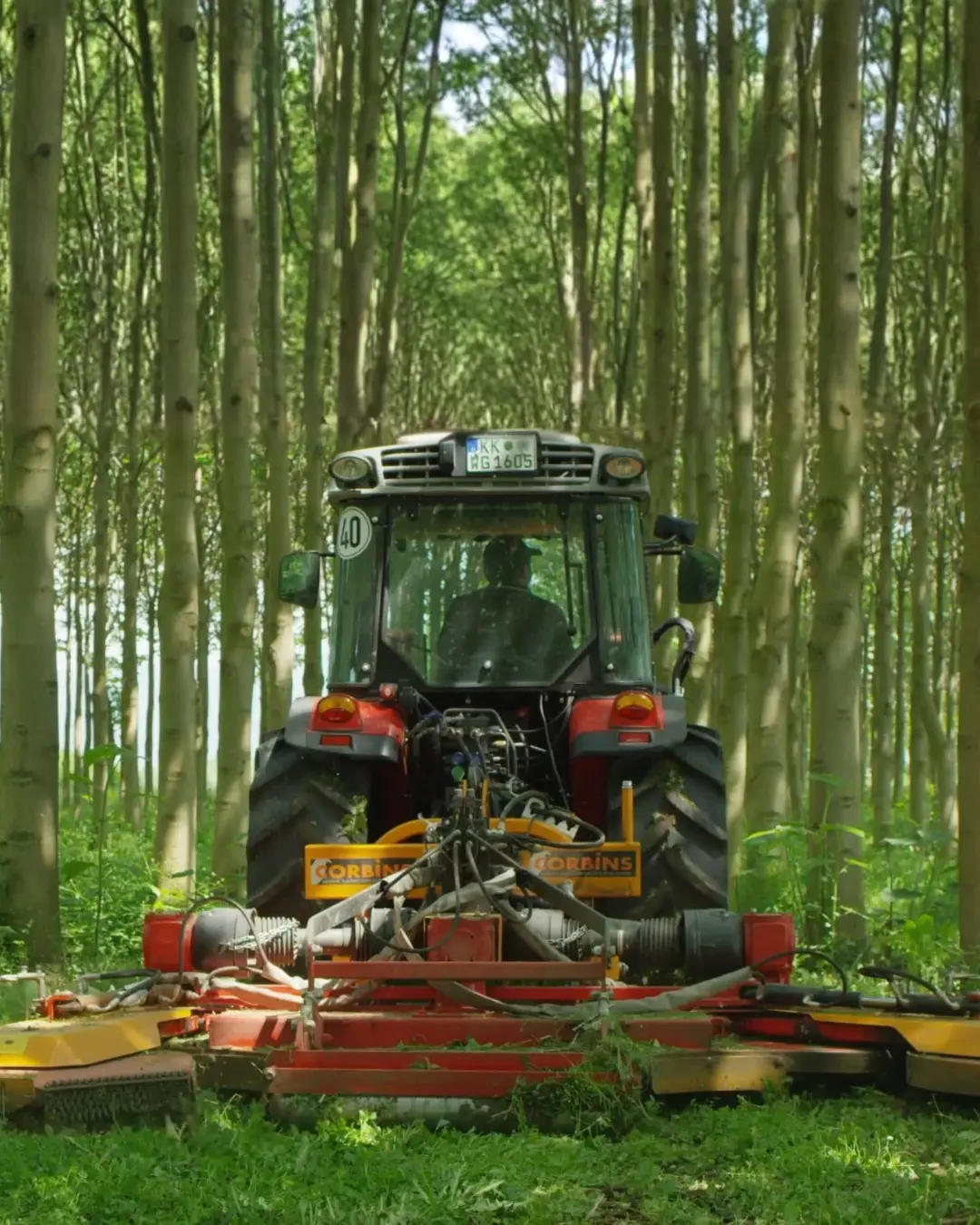
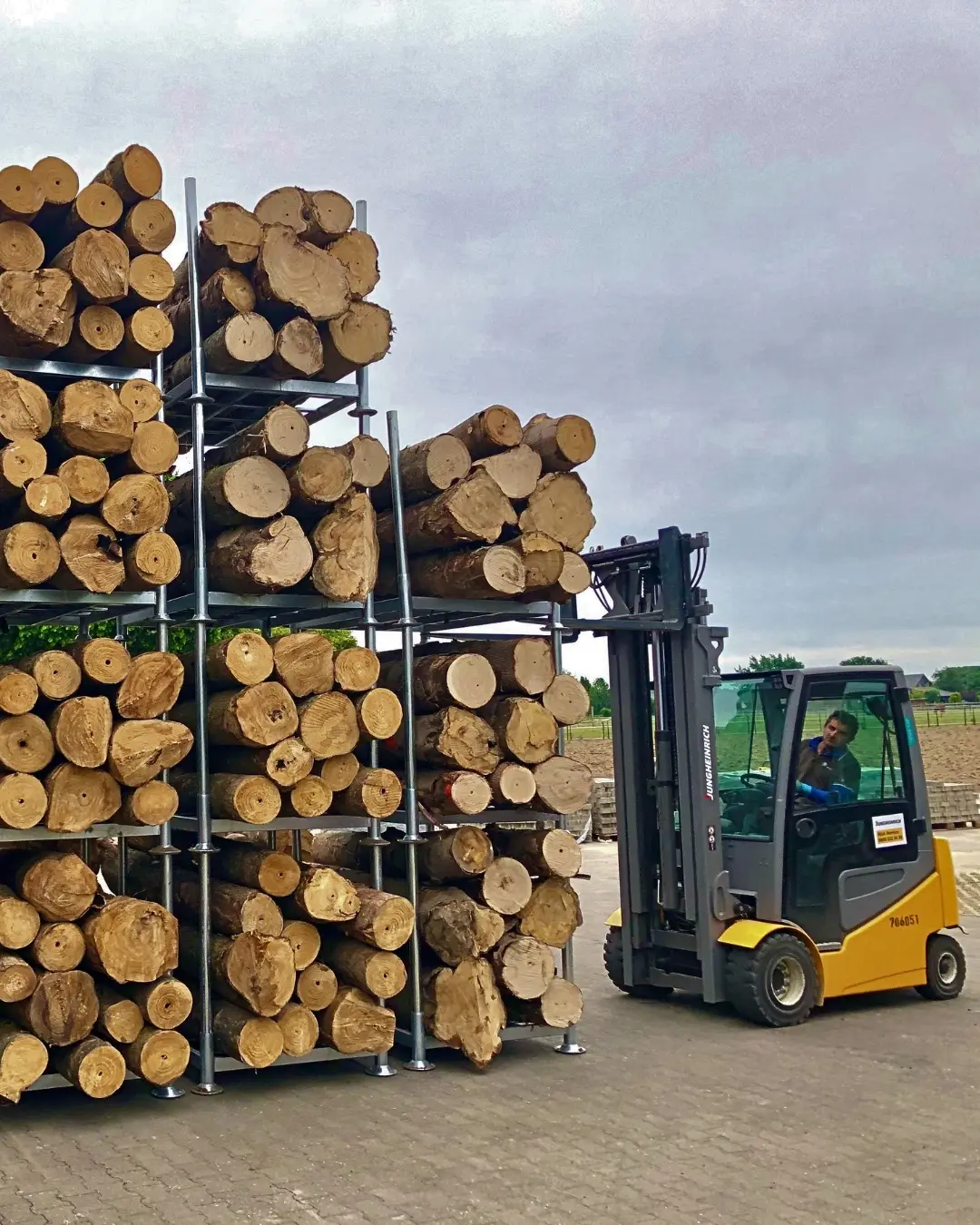
By the seventh year each tree has produced around 1 m³ of high-grade hardwood, and your CO2 certificates have grown accordingly. The trees have reached commercial maturity and our on-site forestry teams carry out the harvest. Yet the tree is not lost: it regrows naturally and the cycle begins again.
Premium timber, direct return
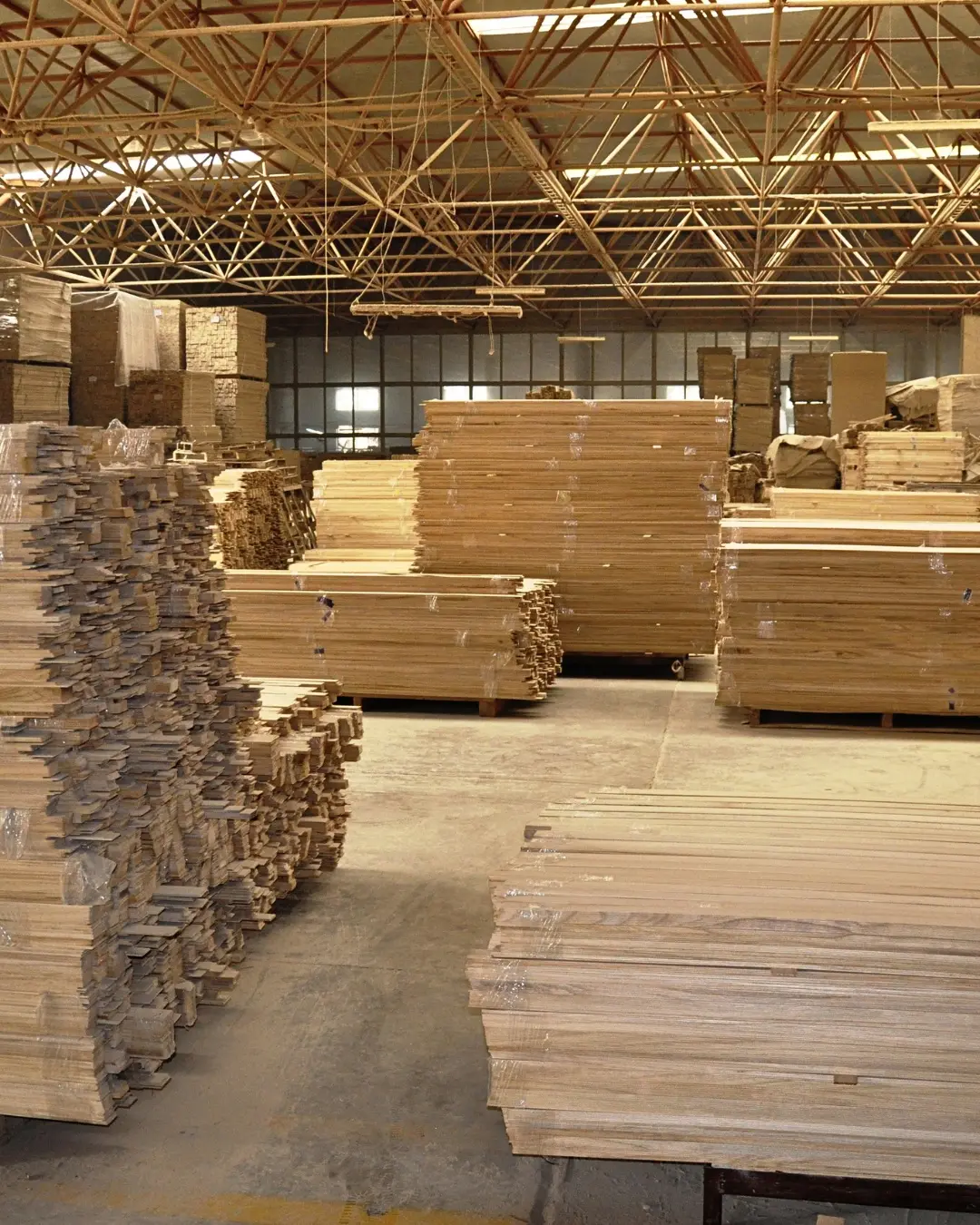
The harvested trunks are processed into lightweight timber — in demand above all in industries where weight, strength and heat resistance matter. The wood feeds into our clients' supply chains or is sold. Your CO2 certificates can be redeemed for compensation or sold as well. In every case, the proceeds flow directly back to you.
Why Paulownia outperforms every other tree
Explosive CO2 absorption
One hectare of managed Kiri plantation can bind around 35–40 tonnes of CO2 per year — up to four times more than a typical oak or birch stand. Its exceptional growth rate enables rapid carbon storage even in the early years, making the tree a highly efficient nature-based solution for CO2 capture, ecosystem restoration and sustainable timber production.
“The aluminium of woods”
With a density of just 210–300 kg per m³, Paulownia wood is ultra-light yet structurally exceptionally strong. With a natural flash point of around 420 °C it is also highly heat-resistant. The wood is in strong demand in high-margin markets — for example in lightweight construction for electric vehicles, in aerospace, in caravan building or for wind-power installations.
The coppicing advantage
Thanks to its ability to resprout, the Kiri tree can regrow after harvest, enabling several production cycles from a single planting. After the harvest in year seven the Paulownia immediately resprouts from its deeply anchored root system. This allows up to 4–5 full harvest cycles at virtually zero replanting cost — with sustainable return potential in the double-digit range.
Our Planting Sites in Europe
Our planting sites in Switzerland, Greece and Romania are deliberately selected for their climatic and soil suitability and are continuously managed by our professional plantation management. The Paulownia tree thrives under specific conditions: warm summers with sustained temperatures between 20–33°C during the growing season, well-drained, deep soils that prevent waterlogging, and plenty of sunshine. Once established, the tree withstands Central European winters and adapts well to marginal or under-used land — which makes it especially valuable for revitalising agricultural areas without competing with food production. Every FutureTree site is chosen where the tree's biological requirements match the regional climate and soil profile — for uniform growth across the entire 7-year cycle. As our projects grow, we continuously expand into new areas and improve our existing practices.
Ettingen, Switzerland
Nestled in the Leimental at the foot of the Swiss Jura, our Ettingen site benefits from fertile arable soils and a temperate climate with warm summers that suits established Paulownia stands perfectly. The planting areas sit in the lower valley sections, where maximum warmth and sunshine are concentrated. As our home site, Ettingen also serves as FutureTree's primary governance and monitoring hub, close to the team and to FOEN oversight.
Sarighiol de Deal, Romania
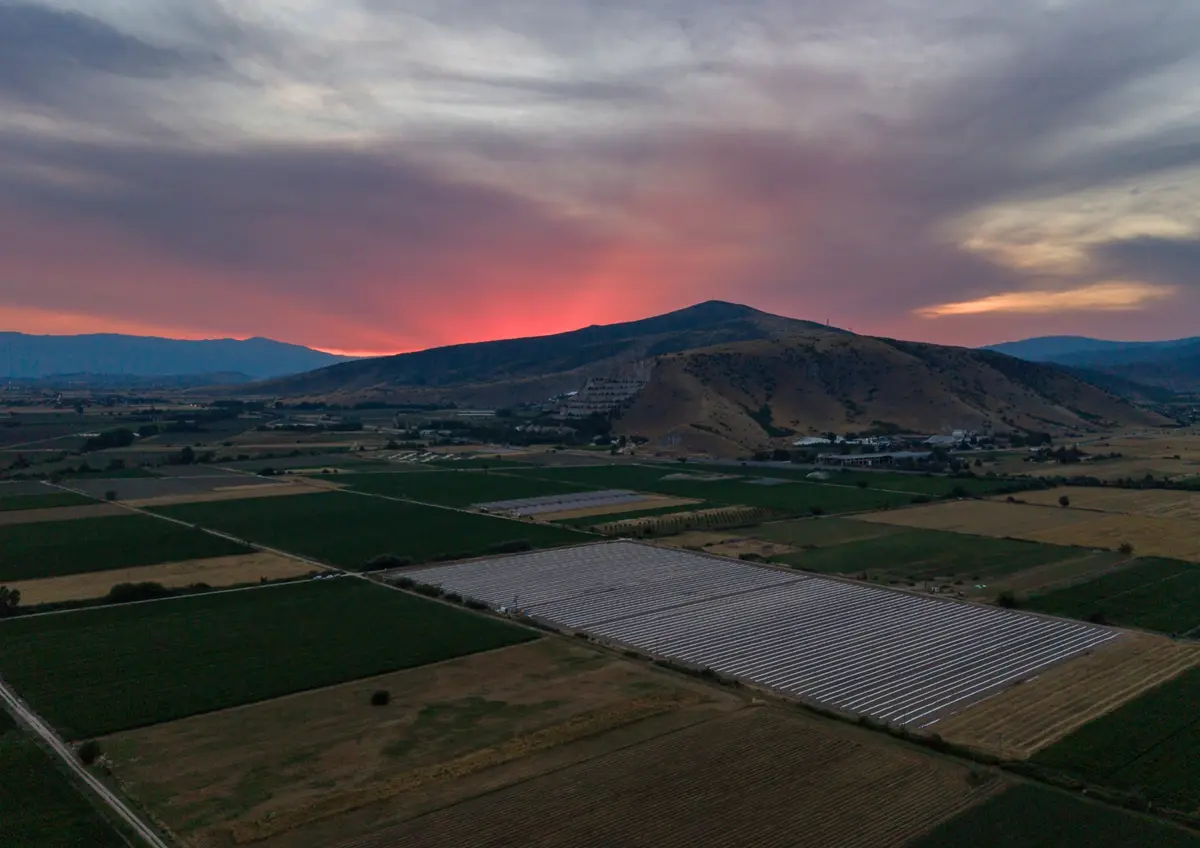
Located in the Dobrogea region of eastern Romania, near the Danube Delta, Sarighiol de Deal is our driest site — receiving under 450 mm of annual precipitation. The sub-Mediterranean microclimate, moderated by Black Sea proximity, brings long, sunny summers with low humidity, significantly reducing fungal and disease pressure on the plantation. The dominant chernozem soils rank among the most nutrient-rich in Europe, providing an exceptional natural foundation despite the arid conditions.
Trikala, Greece
Situated in the Thessalian Plain, one of Greece's most fertile agricultural basins, our Trikala site records the longest and hottest growing seasons of all FutureTree locations. The valley floor, flanked by the Pindus mountains and Koziakas ridge, creates a sheltered continental Mediterranean microclimate with sustained summer temperatures well above 30°C. Deep alluvial soils along the Pineios River basin deliver the structure and moisture retention needed for full growth potential.
Explore our map of tree plantations in Switzerland, Romania and Greece
Fact and figures
Frequently asked questions
Our Kiri trees currently grow on carefully selected plots in Switzerland, Romania, and soon in other European regions. We work with local partners to use land in an ecologically and economically meaningful way. Additionally, we are starting to plant grass, pumpkin, or mint between the tree rows.
Our Kiri trees currently grow on carefully selected plots in Switzerland, Romania, and more European regions will follow. We work with local partners to use land in an ecologically and economically meaningful way. We are also starting to plant grass, pumpkin, or mint between the tree rows.
The return consists of two components: the sale of high-quality wood after about 7 years and the value of the CO₂ certificates generated cumulatively from the 2nd year after planting. Both markets are dynamic. We do not give guarantees, but we transparently show scenarios. Wood market: https://www.finanzen.ch/rohstoffe/holzpreis CO₂ certificate price: https://tradingeconomics.com/commodity/carbon
Every tree is digitally recorded and can be tracked in your personal dashboard, including location, planting year, and project data. From Q4 2025, we will also measure over 16 factors live, such as pH value, soil moisture, and growth rate. From the second year of cultivation, the CO₂ binding of the trees will be shown. Certified third parties regularly check our data.
Our plantations are maintained and monitored by local teams. We rely on robust locations, risk-minimizing cultivation concepts, and where necessary and possible, insurance protection mechanisms.
The wood is sustainably processed, e.g. into furniture wood or building materials. Our goal is to have complete control over sales prices in the value chain with the right partners and to sell the end products in order to ensure fair prices, transparency, and maximum margins. The proceeds are shared with our tree partners.
You can sell your CO₂ certificates yourself via our platform, use them for your company, donate them, or simply keep them. We provide the necessary infrastructure and support you with your strategy.
As with any business, there are risks such as fluctuating market prices or force majeure such as natural events. We work with experts to minimize these risks. FutureTree plants an extra tree for every fifth customer tree to be able to help in certain cases. You can find all details in our terms and conditions.
FutureTree is building a tangible and profitable climate movement that does what it promises. Instead of empty words and idealized visions, we offer a concrete tool with which everyone can directly contribute to change. With real trees in Switzerland and Europe, transparent impact, and economic sense. We work independently, with selected partners, and rely on radical transparency.
For a greener future
Our initiative aims to plant trees that combat climate change while enhancing biodiversity. Together, we can create a sustainable environment for future generations.
Get involved
Explore our tree packages and business solutions today.
Our mission
To plant trees that make a positive impact on our planet.