
ESG regulations in Europe are becoming simpler but not less significant. With the omnibus procedure, the EU has lowered barriers, postponed deadlines and placed greater emphasis on risk orientation rather than full coverage in 2025. Switzerland is also taking a regulatory pause. But those who opt for a “wait and see” approach now risk operational bottlenecks, expensive retrofits and an increased risk of greenwashing from 2026 to 2029.
The upcoming ESG requirements are changing the way companies implement sustainability. While formal reporting requirements have been extended, the demand for verifiable content is increasing. Statements on climate protection, CO₂ impact or sustainability must be based on reliable foundations in future. For companies and private individuals alike, this raises the question of how sustainable investment can be implemented in a credible, economically sensible and long-term manner.
More and more players are therefore deciding to invest not only in abstract financial products, but directly in real assets. Real tangible assets with a measurable impact are gaining trust, both internally and externally.
Paulownia trees: sustainable tree investment with a real impact
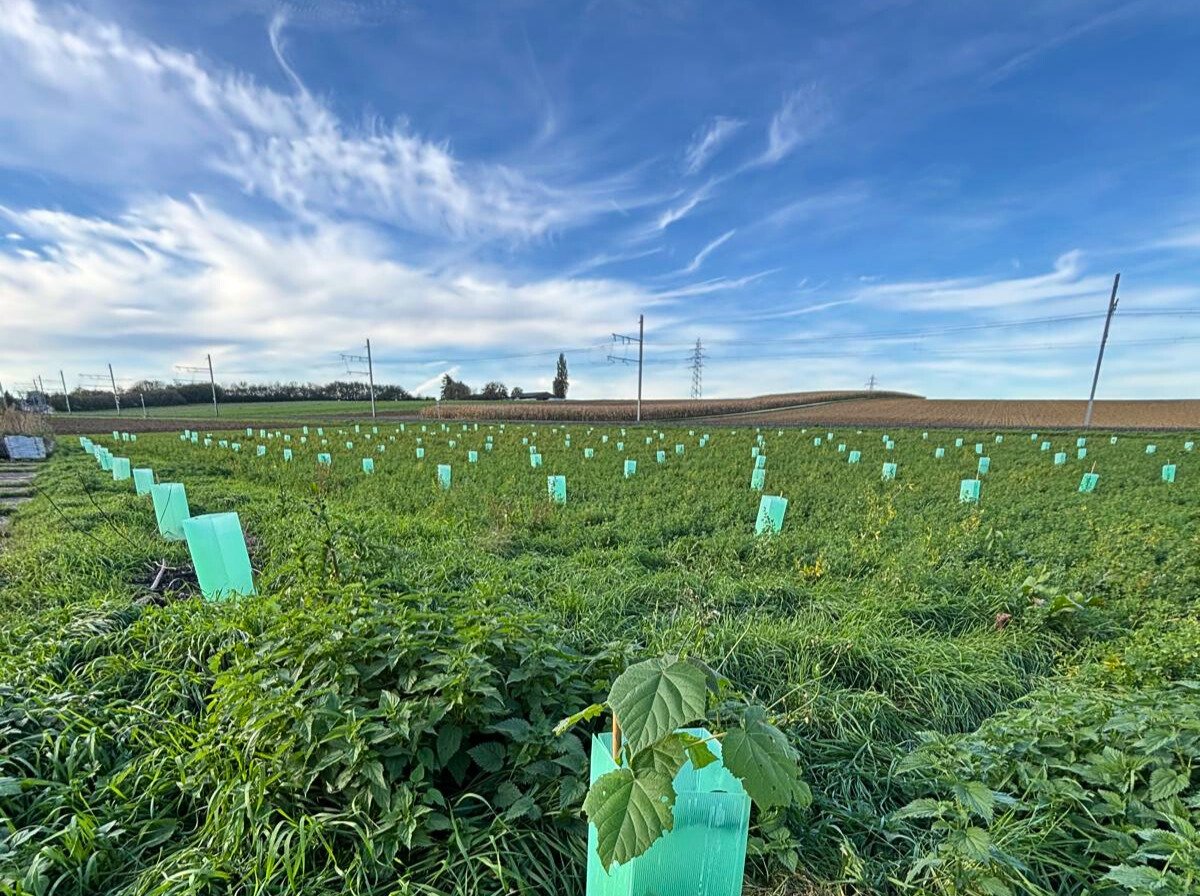
At the heart of the Future Tree approach are paulownia trees. This tree species is characterised by exceptionally fast growth, high CO₂ binding and versatile uses. Anyone who buys a paulownia tree is not only investing in reforestation, but also in a long-term asset.
The combination of sustainable tree planting and economic use makes paulownia trees particularly interesting for both companies and private individuals looking for a sustainable investment.
Future Tree makes it possible to buy paulownia trees online and hold them as a structured tree investment, including transparent documentation and long-term management of the plantations.
CO₂ sequestration instead of pure compensation
Unlike traditional voluntary CO₂ compensation, the impact at Future Tree is based on real biological growth. CO₂ sequestration occurs directly through the trees themselves and is measurable in the long term. This creates a solid foundation for companies that want to purchase CO₂ certificates or strategically set up their CO₂ compensation for businesses.
Against the backdrop of stricter greenwashing regulations, it is becoming increasingly important to distinguish between calculated CO₂ offsetting and actual climate impact. A transparent CO₂ certificate based on real biomass is much easier to explain, document and justify.
Wood and added value: sustainability with economic returns
In addition to the ecological impact, the economic perspective also plays a central role. paulownia wood is light, stable and versatile, which makes it increasingly attractive in the international timber trade. Whether as a sustainable building material or for furniture and lightweight construction, the advantages of wood are evident in its lightness, high strength, low tendency to warp and natural moisture resistance.
The timber yield thus complements the climate impact with a second level of added value and makes the investment plannable in the long term. The result is a sustainable timber investment that does not depend on short-term market movements, but is based on real demand and clear growth cycles.
Tree investments for businesses and private individuals
Future Tree offers structured tree investment solutions for businesses as well as tree investments for private individuals. Whether as part of a corporate ESG strategy or as a personal form of individual CO₂ compensation, the approach remains the same: real trees, transparent impact and a long-term perspective.
Digital tree tracking and clear allocation ensure that it is always possible to trace where the trees are located, how they are growing and what contribution they are making.
Prepare for sustainability instead of playing catch-up
In the coming years, ESG will become less a question of reporting and more a question of preparation. Companies and private individuals who invest in real measures today are creating room for manoeuvre for tomorrow. A sustainable tree investment combines ecological responsibility with economic sense, thus meeting precisely the requirements that will be placed on credible sustainability in the future.
Let’s Talk About Your ESG Strategy
If you would like to explore how real assets such as paulownia trees can be integrated into your sustainability, climate or investment strategy, we can help you develop a sustainable strategy with substance.
👉 Arrange a personal consultation now and to discuss solutions tailored to your objectives and regulatory requirements.
Share this article